A fleet depot must compare charging power, stored energy, grid capacity, demand charges, outage requirements and site constraints before buying a battery system. By the end, you will be able to model the required kW and kWh, compare alternatives, test payback and identify the conditions in which storage is not worth the investment.
Key takeaways
- Define whether BESS will charge vehicles, shave peaks, back up loads, or shift solar.
- Size energy in kWh and charging capacity in kW from your depot’s load profile.
- Approve BESS only when demand savings and charging benefits beat installed and operating costs.
- Require fire protection, access clearances, monitoring, maintenance and emergency procedures before commissioning.
What job would a BESS perform at your Gurugram depot?
Choose the job before choosing the battery: managed depot charging, peak shaving, facility backup, solar shifting, vehicle-to-grid (V2G), or a combination. Fleet vehicle power storage shifts energy and supplies high-power charging; a UPS instead prioritises conditioned, uninterrupted power for connected IT or facility loads.
A grid-connected BESS does not automatically provide outage backup. Backup requires islanding switchgear, protection, a microgrid controller, and selected critical loads; standard grid-following PCS equipment usually shuts down when the utility fails. State whether the battery serves chargers, lighting, refrigeration, IT, or only essential controls.
| Option | What it does | Main limitation |
|---|---|---|
| Managed charging | Staggers chargers by departure time and state of charge | No stored energy or outage supply |
| Direct grid charging | Uses the existing connection | Peak demand can trigger upgrades |
| Larger transformer | Adds sanctioned charging capacity | Capital cost remains even at low utilisation |
| Solar-only charging | Uses daytime PV | Output rarely matches overnight charging |
| Diesel generation | Supplies outage power | Fuel, emissions, noise and maintenance |
| V2G | Sends vehicle energy back to the site or grid | Requires compatible vehicles, chargers and approvals |
For a battery energy storage system fleet vehicles project, the stationary battery does not replace traction batteries, fix range, or make incompatible chargers interoperable.
BESS for fleet vehicles in Gurugram is the wrong choice when utilisation is low, sanctioned capacity is ample, space is inadequate, savings are weak, a short charging window still needs grid reinforcement, or fleet demand will soon change.
How much battery energy and charging power does the depot need?
Size usable battery energy in kWh separately from inverter and charger power in kW or MW.
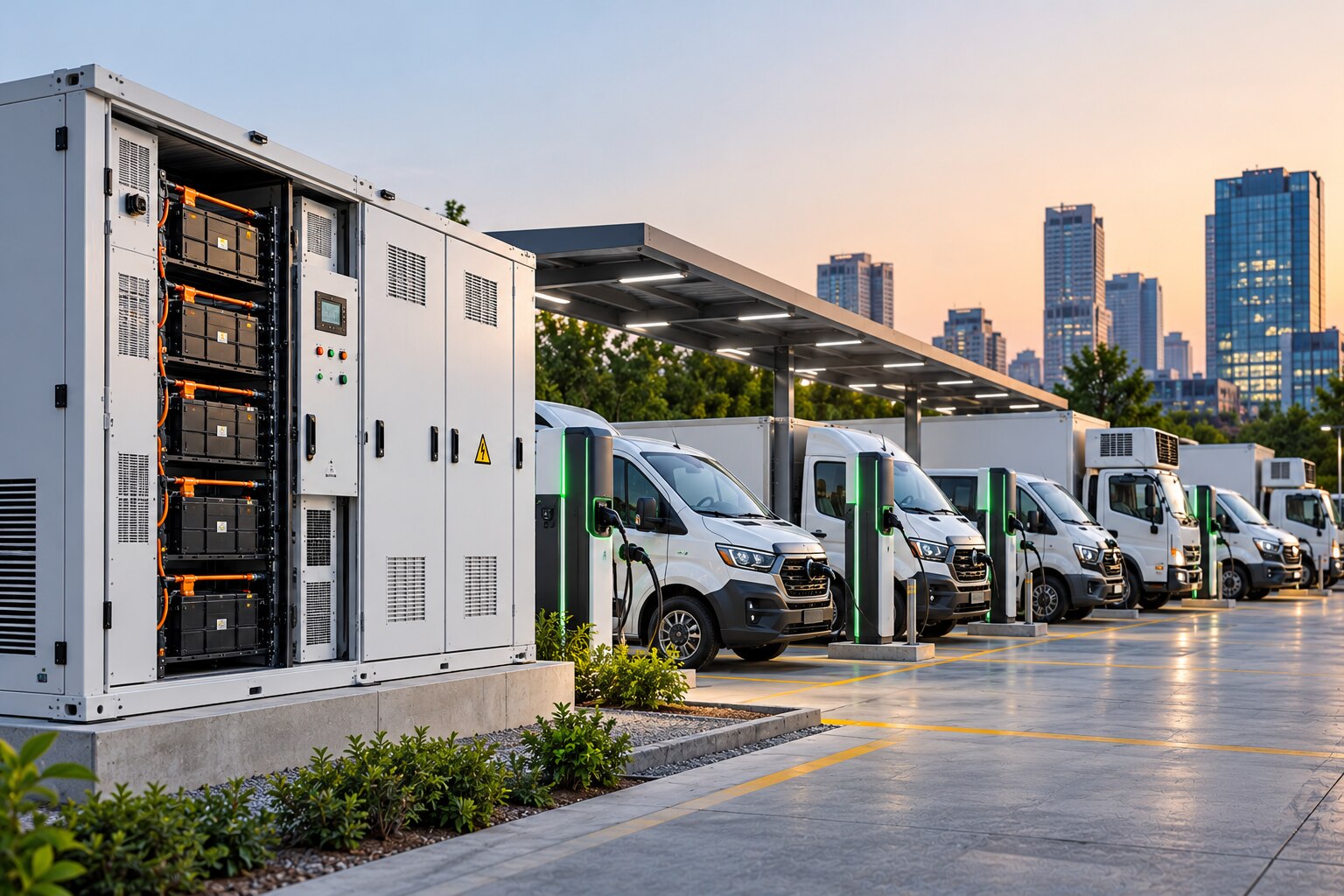
A practical layout runs from the utility connection through the transformer and main switchgear to the BESS PCS and battery enclosure, then to EV chargers and parking bays; the solar array feeds the bus, while fleet-management software controls chargers and dispatches the BESS.
1. Calculate energy: fleet vehicles × daily kilometres × kWh per kilometre ÷ charging efficiency. Then check battery limits: a 60-kWh vehicle operating between 20% minimum and 90% maximum SOC has 42 kWh of usable onboard energy. Add energy needed before each departure, charging losses, and a reserve, such as 10% for contingencies.
Prioritise vehicles with the earliest departure and highest required SOC.
2. Calculate power: add simultaneously charging chargers, then compare that figure with controllable load and sanctioned load. Twenty 60-kW chargers demand 1.2 MW before site loads. Charger diversity and staggered starts reduce the peak; a BESS cannot help if every charger runs at full power together.
3. Specify usable AC kWh, continuous and short-duration PCS power, SOC limits and response time. A 1-MW/2-MWh system delivers stronger short bursts than a 500-kW/4-MWh system, which stores more energy but limits charging power. Match lithium-ion or lead-acid traction batteries to compatible CCS2, GB/T and IEC 61851 charging profiles.
Will the savings justify BESS battery energy storage?
Savings justify BESS battery energy storage only when measured demand reduction and avoided grid work exceed the complete ownership cost. Use Haryana DISCOM’s current tariff order, tariff category, contracted demand, maximum-demand measurement interval and time-of-day schedule; do not use one blended kWh rate.
Calculate monthly peak kW × demand tariff before and after peak shaving, then add avoided transformer, switchgear, cabling and sanctioned-load upgrade costs, off-peak energy purchases and eligible V2G revenue.
| Option | Main value | Main drawback |
|---|---|---|
| Managed charging | Cuts coincident peak without a battery | Cannot add stored energy or backup |
| BESS peak shaving | Reduces grid-import kW and supports fast charging | Conversion losses, HVAC load and degradation |
| Transformer upgrade | Adds permanent electrical capacity | High civil, cable and equipment cost |
| PV plus BESS | Shifts solar energy and clips peaks | Solar output and space limit the benefit |
Build the payback model from measured monthly peak kW, charging energy, peak-period charging, off-peak tariff, annual cycles, availability and degradation. Include capital equipment, installation, civil work, software, financing, maintenance, HVAC electricity, augmentation, replacement and end-of-life costs. Model usable depth of discharge, round-trip efficiency, C-rate, reserve state of charge, response time and auxiliary consumption.
High temperature, high state of charge, frequent deep cycling and high C-rate reduce retained capacity. Check current incentive eligibility; do not assume a private depot qualifies. A fleet vehicle power storage project needs these inputs before procurement.
Can the depot safely host and operate the system?
A depot can safely host a BESS battery energy storage system only after an electrical, civil and emergency-response review confirms that people, vehicles and equipment have protected space.
1. Ask the project engineer to record sanctioned load, transformer rating, short-circuit level, earthing resistance, protection coordination, cable routes, available indoor floor or outdoor land area, drainage, flood exposure, vehicle-impact barriers, fire-access routes, parking circulation and required service clearances.
2. Design for Gurugram’s summer heat, monsoon humidity, dust, traffic schedules and local grid interruptions. Specify a weather-rated enclosure, thermal management, HVAC capacity, drainage and a maintenance plan; do not place a container where charger traffic blocks firefighting access or airflow.
3. Require the project engineer and authority having jurisdiction to verify Central Electricity Authority electrical-safety requirements, the Electricity Rules and Haryana DISCOM interconnection requirements. Obtain fire approvals and confirm isolation points, electrical clearances, battery-room ventilation, cell- or module-level monitoring, thermal-runaway detection, off-gas or smoke detection, emergency shutdown and fire response.
4. Commission with insulation, earthing and protection tests, load testing, alarm drills, islanding tests where applicable, state-of-charge limits and performance verification against the design model. Continue preventive maintenance, firmware updates, HVAC inspection and documented thermal-event procedures, including evacuation, isolation and responder access.
How should you choose a BESS supplier in Gurugram and make the decision?
Choose a BESS supplier in Gurugram by enforceable performance terms, not by its office address. For BESS for fleet vehicles in Gurugram, require this procurement checklist:
- Cell chemistry; usable AC kWh; AC- or DC-coupled architecture; continuous and short-duration inverter rating.
- Warranty throughput; retained-capacity degradation guarantee; response time; protection system; monitoring protocol; remote support; spare PCS modules; end-of-life battery handling.
Assign these duties in the contract: interconnection studies, Haryana utility approvals, EMS and charger integration, commissioning, fire-system maintenance, battery augmentation, warranty administration and removal. Ask for comparable fleet-depot references, local installation capability, measured service response times and monitoring coverage. A Gurugram address proves none of these.
Global Power Technologies belongs in the comparison only after it demonstrates those responsibilities and performance terms.
| Option | Best fit | Main trade-off |
|---|---|---|
| Managed charging | Demand control without batteries | Limited by charger windows and sanctioned load |
| BESS peak shaving | Measurable demand savings or avoided transformer work | Conversion losses, cooling, degradation and safety costs |
| Grid reinforcement | Charging demand stays high for long periods | Higher infrastructure cost but no battery cycling |
Select BESS when its controllable charging value exceeds those costs. Otherwise stage managed charging first, measure utilisation and grid constraints, then revisit storage.
Related products
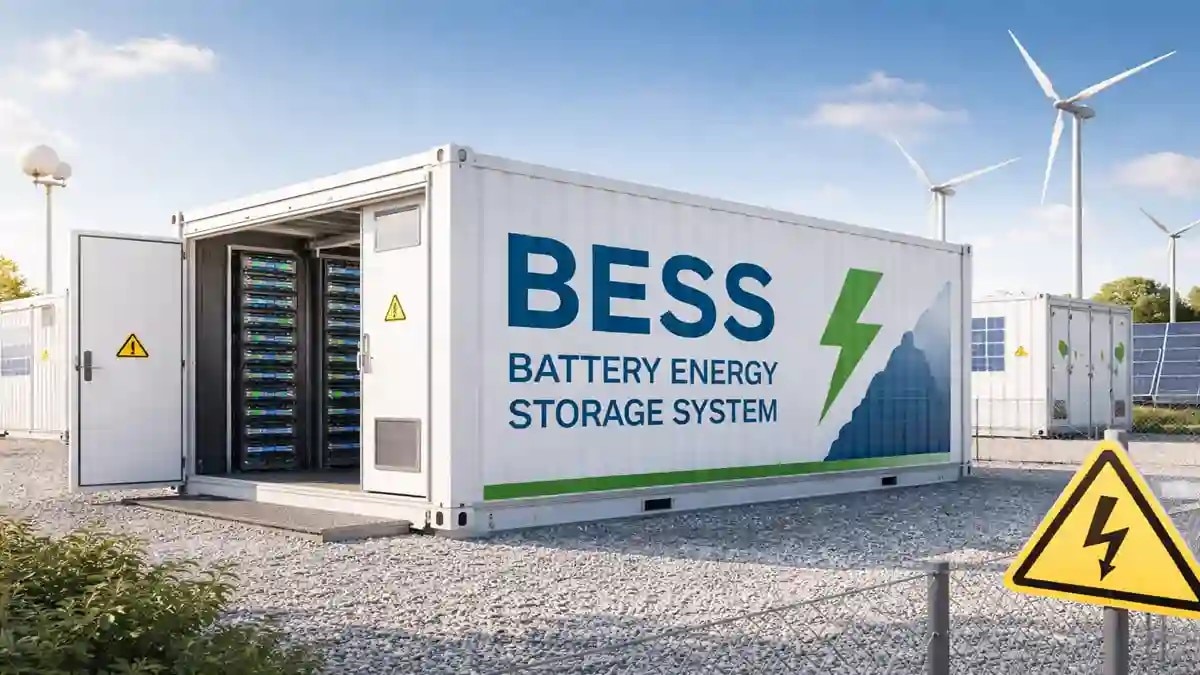 | Bess -Battery Energy storage System Bess -Battery Energy storage System Battery Energy Storage System (BESS) is a technology that captures electrical energy from the grid or renewable sources like solar and wind, stores... View product → |
Battery chargers industrial-grade Float Cum Boost Battery Chargers (FCBC) are used. View product → |
Frequently asked questions
What job would a BESS perform at a Gurugram fleet depot?
A BESS can support managed depot charging, peak shaving, facility backup, solar shifting or vehicle-to-grid operation. Define the primary job first because it determines battery size, inverter power, controls and operating limits. A UPS serves a different priority: conditioned, uninterrupted power for IT or facility loads.
How do you calculate BESS size for fleet vehicle charging?
Use charging energy in kilowatt-hours and simultaneous charging demand in kilowatts. Review interval utility data, vehicle arrival and departure times, charger ratings, state-of-charge requirements, site load and the target charging window. Include inverter losses, reserve capacity, battery degradation and the maximum permitted depth of discharge.
When does BESS battery energy storage pay off for a fleet depot?
Compare installed cost, financing, replacement, maintenance and electricity losses with demand-charge reduction, tariff shifting, avoided connection upgrades, solar self-consumption and improved charging capacity. Model weekday, weekend, seasonal and low-utilisation cases rather than relying on one monthly bill.
What safety checks does a Gurugram depot need before installing BESS?
Confirm equipment clearances, ventilation or thermal management, flood protection, earthing, cable routes, fire detection and suppression, emergency isolation, access for first responders and separation from buildings, fuel and vehicle routes. Obtain the required electrical approvals and give staff written shutdown and incident procedures.
How should you choose a BESS supplier in Gurugram?
Compare a supplier’s proposed duty cycle, usable kWh, continuous and peak kW, round-trip efficiency, warranty conditions, battery replacement plan, monitoring, response times, commissioning records and local service capability. Request a site-specific single-line diagram, load-study assumptions, safety documents, itemised costs and savings model before signing.
Related products
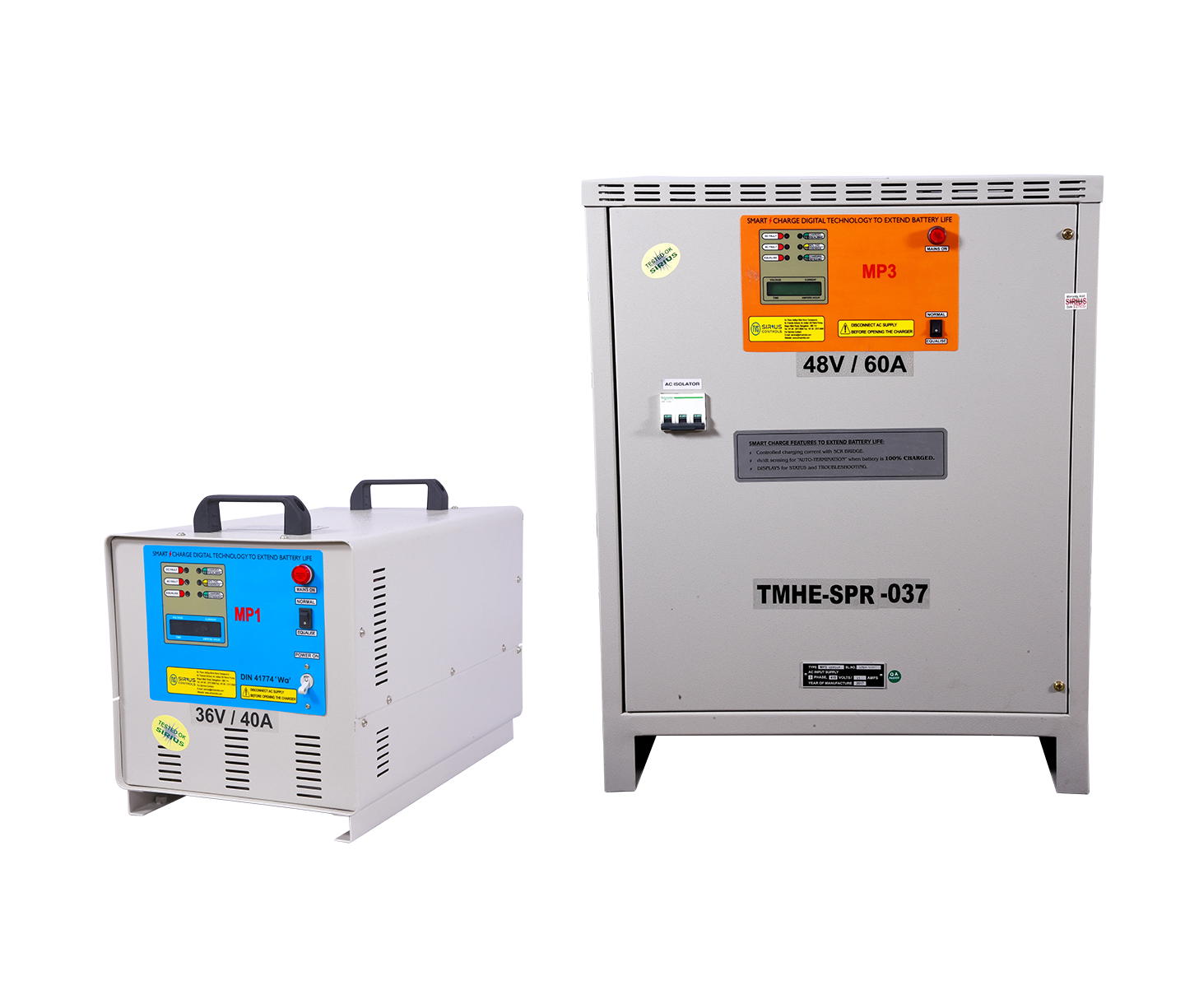 | chargers Forklift & Traction Battery Charger Battery Chargers for every battery Our chargers are designed for use with Lead Acid batteries and Lithium batteries. View product → |
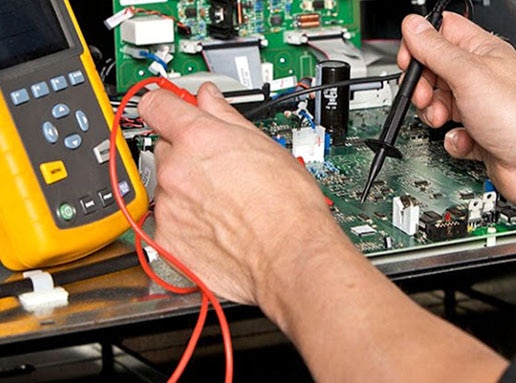 | UPS Repairing Services by Global Power Technologies refers to the specialized power-infrastructure support provided by Global Power Technologies, an established energy... View product → |
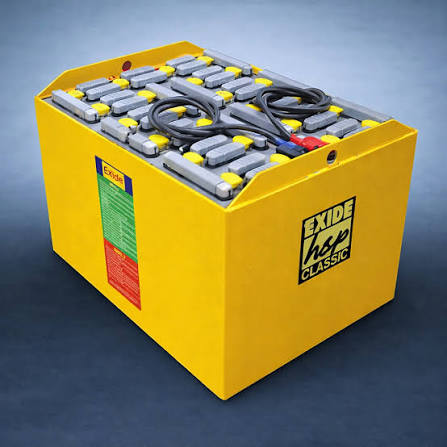 | Exide Forklift Traction battery Exide Forklift Traction battery xide forklift traction batteries provide heavy-duty power for electric material handling equipment like forklifts, stackers, reach trucks, and pallet... View product → |
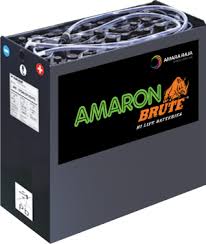 | forklift battery Amaron Brute is the latest product from the Amara Raja Energy & Mobility Limited. View product → |
Keywords