
Forklift Traction batteries
Description
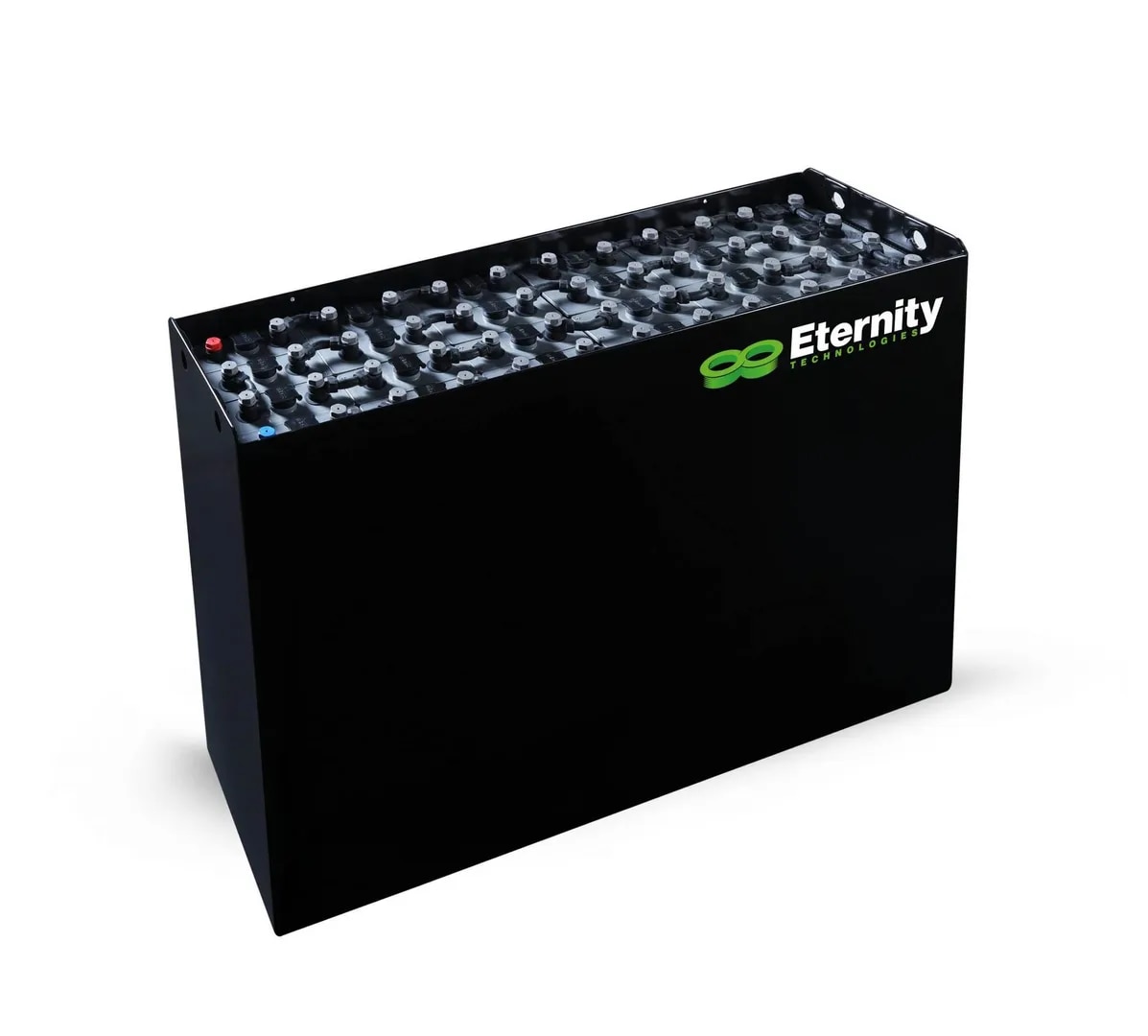
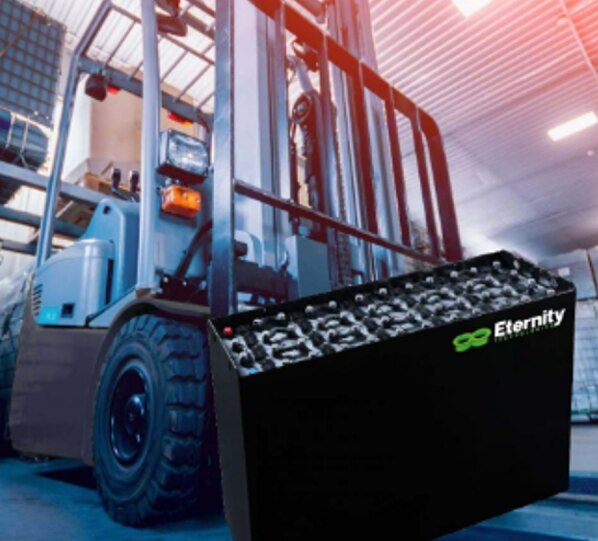
A traction battery is a large rechargeable power source built to drive electric vehicles, industrial forklifts, material-handling machines, and e-rickshaws
Key Characteristics
• Deep-Cycle Design: Unlike car starter (SLI) batteries that give a quick jolt and stay fully charged, traction batteries are meant to be deeply discharged during a work shift and fully recharged overnight.
• Heavy Construction: They feature thick, dense lead-acid plates or modern lithium-ion (LiFePO4 / LTO) cells inside rugged casings. In counterbalance forklifts, their heavy weight also acts as physical ballast for the vehicle.
• Voltage & Capacity: Units are wired in series using 2V building blocks, commonly scaling into 24V, 36V, 48V, or 80V systems, with capacities ranging from 100 Ah to over 1000 Ah.
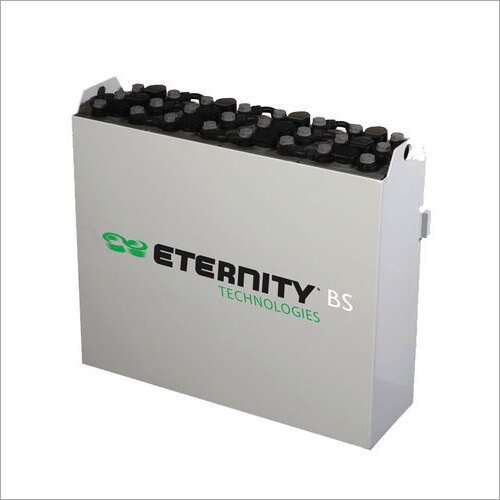
• Standards: Rated under standards like IEC 60254-1 (typically at a 5-hour C5 discharge rate) and built to fit standard DIN or BS compartment sizes.
Common Applications
• Industrial Equipment: Electric forklifts, pallet jacks, tow tractors, and heavy cleaning or aerial lift machines.
• Electric Vehicles (EVs): Passenger cars, commercial trucks, and local electric 3-wheelers/e-rickshaws using advanced EV Fire Safe or ABB Traction Battery systems.
• Local Suppliers: In India, industrial traction options range from traditional Exide and Hawker lead-acid/lithium packs (view local listings on Traction Batteries) starting anywhere from ₹50,000 to ₹2,50,000+ depending on voltage and capacity.