
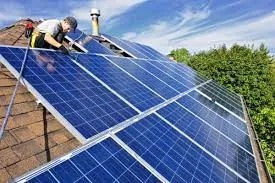
Industrial solar systems
Description
Industrial solar systems are high-capacity, megawatt-scale photovoltaic (PV) installations engineered to cut operational expenses (OpEx), maximize roof space, and protect factories from grid tariff inflation. Unlike residential setups, industrial systems use heavy-duty infrastructure to handle high voltage (often 1000V to 1500V DC) and must seamlessly blend with complex facility machinery and high-voltage grid connections.
These setups operate under two primary commercial models: Capex (Ownership), where the facility buys the asset for immediate tax depreciation, or Opex (OPXY/RESCO), where a third party installs it and sells the power via a Power Purchase Agreement (PPA).
• On-Grid (Grid-Tied) Industrial Systems: The standard setup for factories with stable utility grids.
• How it Works: Runs alongside grid power; if solar produces more than needed, surplus energy flows to the grid via net metering.
• Key Advantage: Lowest initial cost, high return on investment (ROI), and requires no expensive battery banks.
• Off-Grid Industrial Systems: Built for remote processing plants, mining zones, or regions lacking a stable utility grid.
• How it Works: Completely isolated; requires massive industrial battery storage (such as Lithium Iron Phosphate or Tubular Gel packs) and heavy-duty backup diesel generators.
• Key Advantage: Full energy independence for critical 24/7 manufacturing operations.
• Hybrid Industrial Systems: The optimal solution for modern factories seeking maximum uptime and energy security.
• How it Works: Combines solar panels, a grid connection, and a Battery Energy Storage System (BESS).
• Key Advantage: Provides seamless emergency backup during grid outages, smooths out peak demand spikes, and avoids expensive diesel generator usage