
Power Quality audit
Description
power quality audit is a technical assessment of an electrical distribution system to measure how clean, steady, and efficient the power supply is. Unlike an energy audit (which tracks how much power you consume in kilowatt-hours), a power quality audit diagnoses disturbances that damage equipment, trigger nuisance trips, or inflate utility bills.
What an Audit Measures
• Power Factor (PF): The ratio of active power (kW) to apparent power (kVA). Low power factor leads to utility reactive energy penalties.
• Total Harmonic Distortion (THD): Distortions caused by non-linear devices like Variable Frequency Drives (VFDs), UPS systems, and LED drivers that overheat transformers and damage capacitor banks.
• Voltage Sags and Swells: Short-term drops or spikes in voltage that cause automated machinery or computer systems to crash or trip.
• Voltage Imbalance: Unequal voltage levels across the three phases of a system, which causes overheating in three-phase induction motors.
• Transients and Surges: High-frequency spikes from lightning or heavy load switching that break down component insulation.
• Capacitor Bank Status: Checking whether Automatic Power Factor Correction (APFC) panels and reactors are functioning or blown out.
Typical Audit Process
1. Walkthrough & Data Collection: Reviewing single-line diagrams (SLDs), historical utility bills, and plant operating loads.
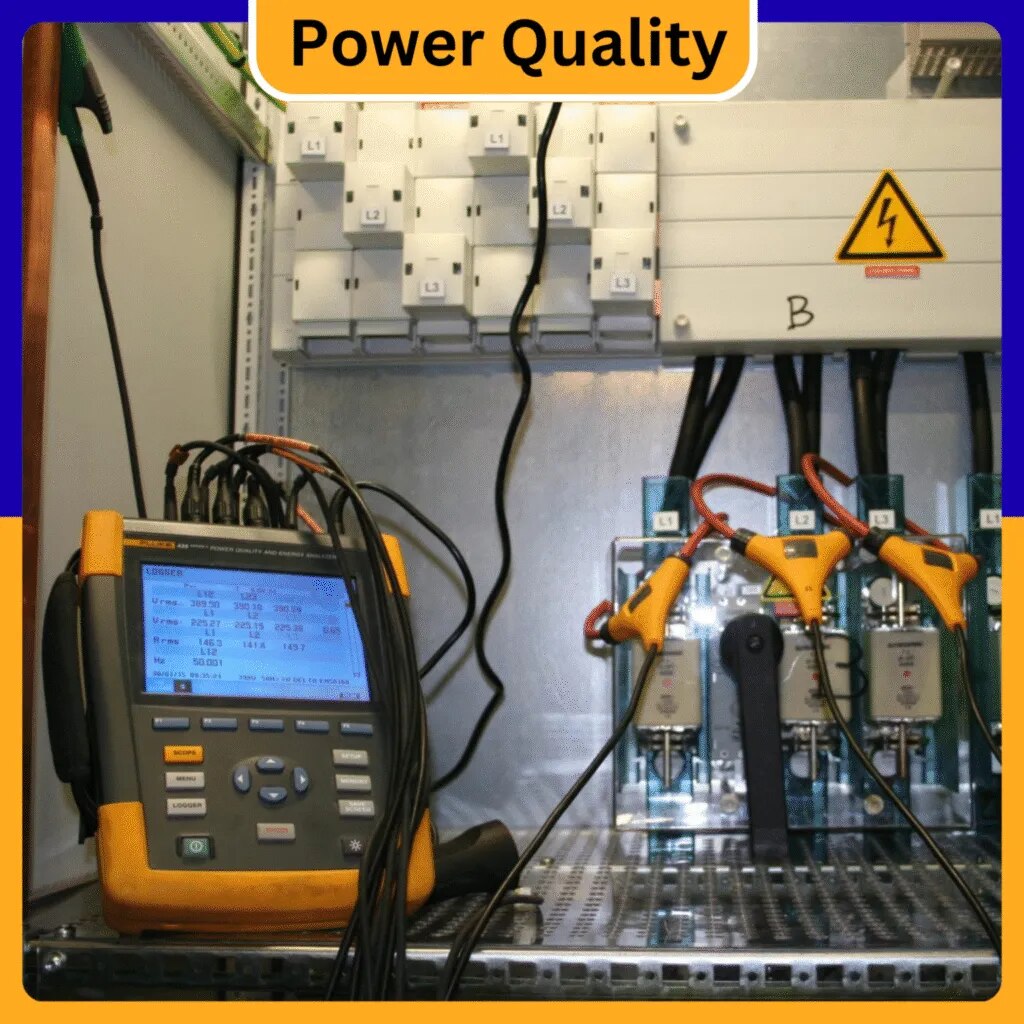
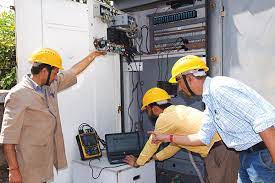
2. Meter Installation: Calibrated power quality analyzers are hooked up at transformer incomers and main low-tension (LT) panels.
3. Data Logging: Continuous recording for 48 hours to 7 days under normal operating conditions.
4. Analysis & Report: Engineers map disturbances against standards like IEEE 519 and deliver a prioritized list of fixes (such as adding detuned reactors, harmonic filters, or re-sizing capacitor banks